

Is ITER Even Relevant Anymore?
With a cost of at least 5x the most expensive commercial fusion machine being built today, is ITER really worth it?
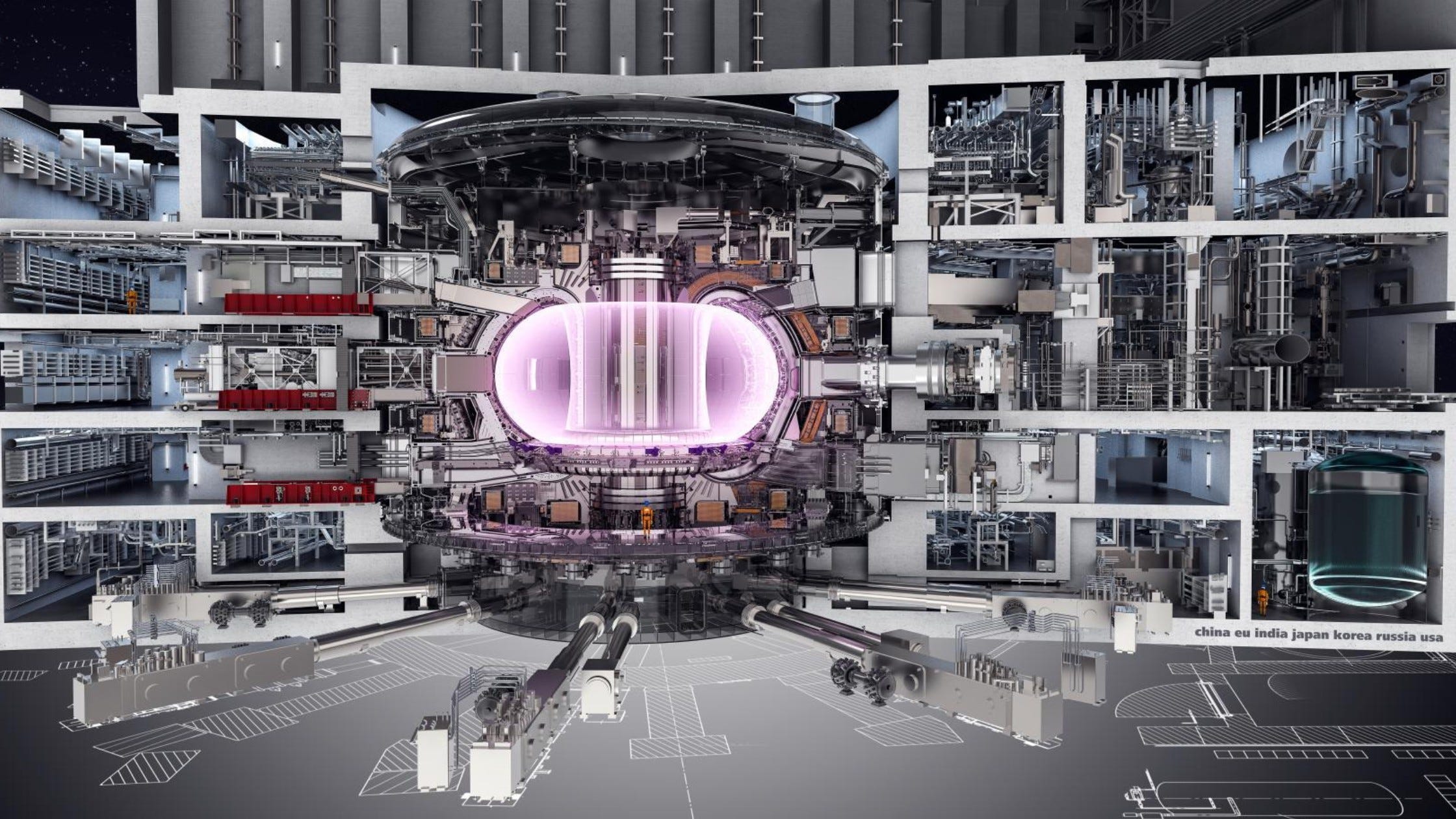
In covering fusion energy, The Fusion Report generally has focused on fusion devices built for commercial purposes, such as the Commonwealth Fusion System (CFS) SPARC and ARC, Helion’s Polaris, and similar fusion machines. However, the most massive fusion machine being built is the International Thermonuclear Experimental Reactor (ITER) in France. With a projected cost of between $20B and $24B (although some estimates place the actual cost as high as $65B), and an 840 cubic meter plasma chamber with an outer diameter of 19.4 meters and a height of 11.4 meters, ITER easily wins the prize for being the largest and most expensive fusion device currently under development. In comparison, the CFS ARC machine is estimated to have a price tag of between $2.5B and $4B, at most 20% of the cost of ITER. Moreover, ARC is expected to be finished in the early 2030s, while ITER is not expected to achieve its final stage completion until 2039. One could easily ask the question then: is ITER even relevant today, let alone worth its expected cost?
The History of ITER: International Cooperation, But Lots of Slips
ITER began as a Cold War-era idea for international scientific cooperation. In 1985, Mikhail Gorbachev proposed a joint fusion research project to Ronald Reagan, and the following year the European Union, Japan, the Soviet Union, and the United States agreed to pursue the design of what became ITER, the International Thermonuclear Experimental Reactor. The project moved from concept to formal organization over the next two decades. Design work started in 1988, the final design was approved in 2001, China and South Korea joined in 2003, and India followed in 2005; after long negotiations, the site at Cadarache, France was chosen, the ITER Agreement was signed in 2006, and the ITER Organization was officially established in 2007. Construction later began, turning ITER into the world’s largest international fusion experiment, built to test if fusion can become a practical large-scale energy source.
The original 2001 ITER design aimed to prove the scientific and technical viability of fusion by reaching a plasma gain of Q ≥ 10, sustaining long pulses, and validating the materials and engineering needed for a future power plant, but the project’s current 2026 reality is a far more expensive and slower-moving build than that plan anticipated. By mid-2024, ITER had added about €5 billion to its baseline and pushed first plasma to 2034, with the final deuterium-tritium campaign now expected in 2039, reflecting a schedule that has repeatedly slipped as the project moved from paper design to first-of-a-kind manufacturing and assembly.
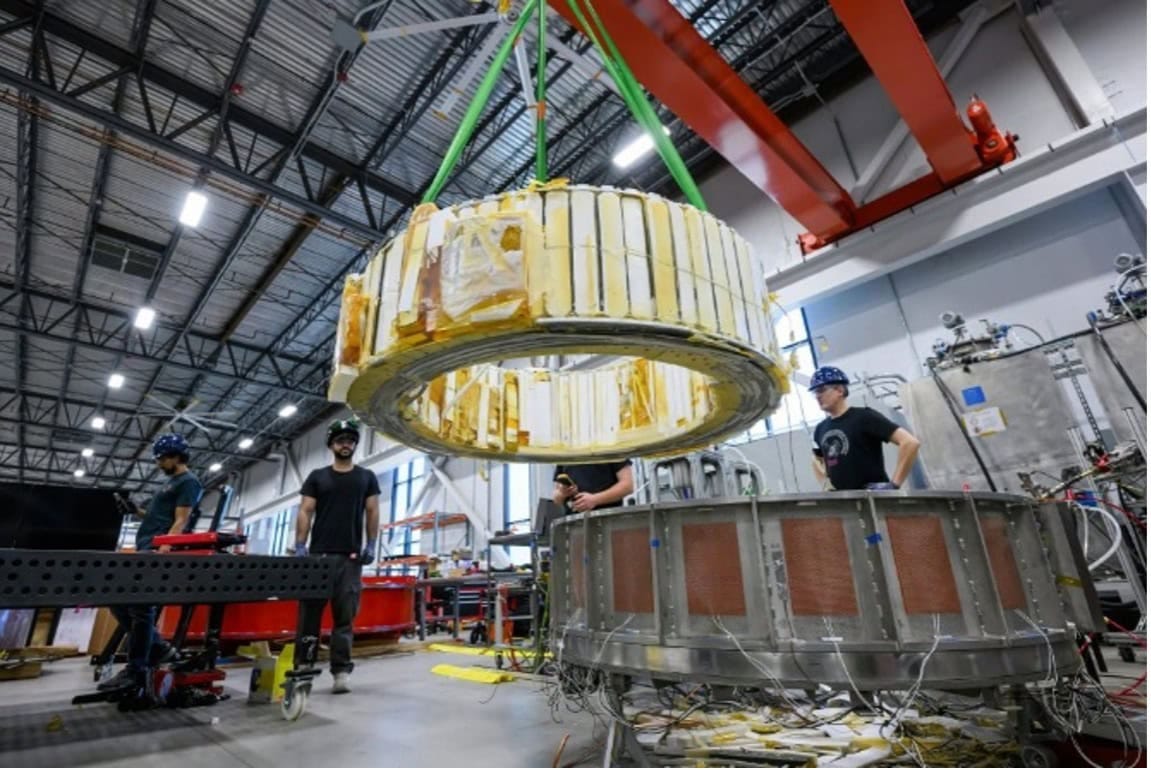
The main engineering roadblocks have come from the complexity of assembling unprecedented components to the required tolerances: vacuum vessel sectors arrived with dimensional non-conformities that complicated automated welding, helium tests found leaks and stress-corrosion cracking in thermal shield piping, and fusion-relevant structures such as the slab and radiation shielding triggered safety scrutiny from France’s regulator. Those technical issues compounded pandemic disruption, component defects, and design changes during construction, but the deeper cause of the completion delay until 2039 is the combination of overoptimistic planning, manufacturing risk underestimated at the outset, and the need to re-sequence assembly so the machine reaches a more complete and safer configuration before first plasma.
ITER Compared to Other Fusion Research Experiments
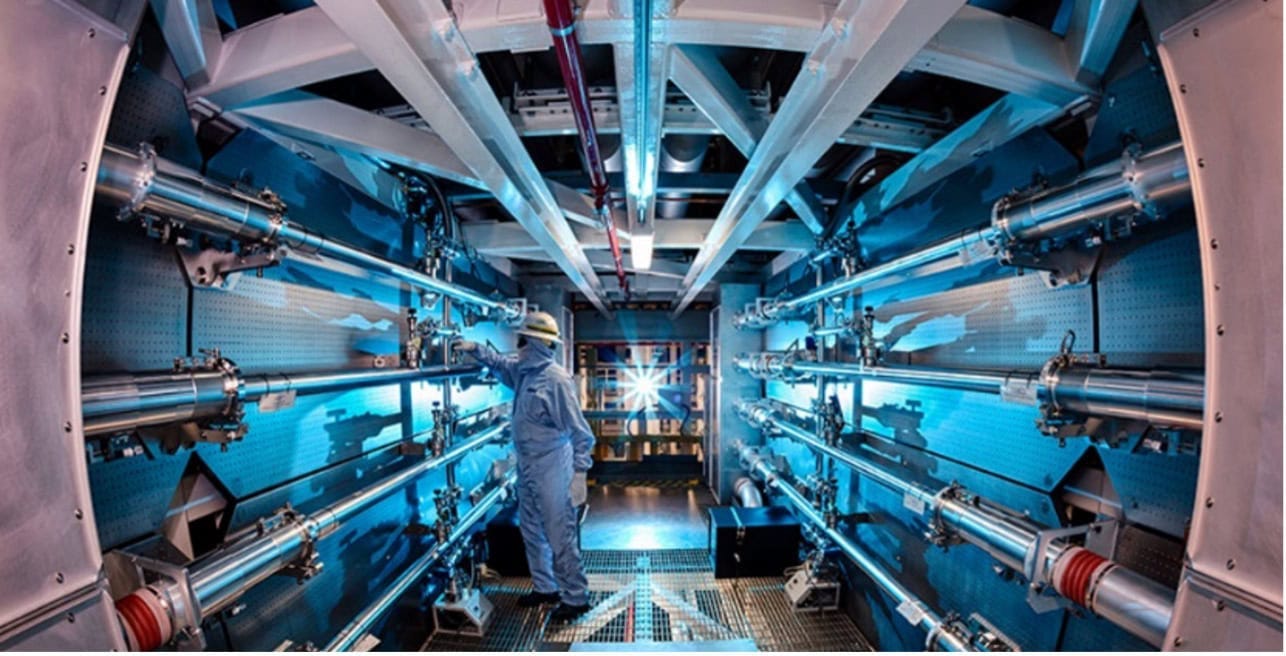
It is instructional to compare the success to date of ITER versus the two other major fusion research projects: the Lawrence Livermore National Laboratory (LLNL) National Ignition Facility (NIF), and China’s Experimental Advanced Superconducting Tokamak (EAST) program. ITER’s “success” should be judged differently from the National Ignition Facility’s, because ITER is still a construction project while NIF has already achieved ignition and repeated it, including a 3.15 MJ shot from 2.05 MJ of laser energy and a later record of 8.6 MJ, whereas ITER has not yet entered experimental operation. That means NIF has delivered the more dramatic scientific milestone so far, but ITER’s success is still prospective: it is designed to demonstrate sustained magnetic-confinement plasma physics at reactor scale, not just a single ignition event. From a cost standpoint, NIF was approximately $3.5B, including development, construction, capital, vendors, installation and commissioning costs.
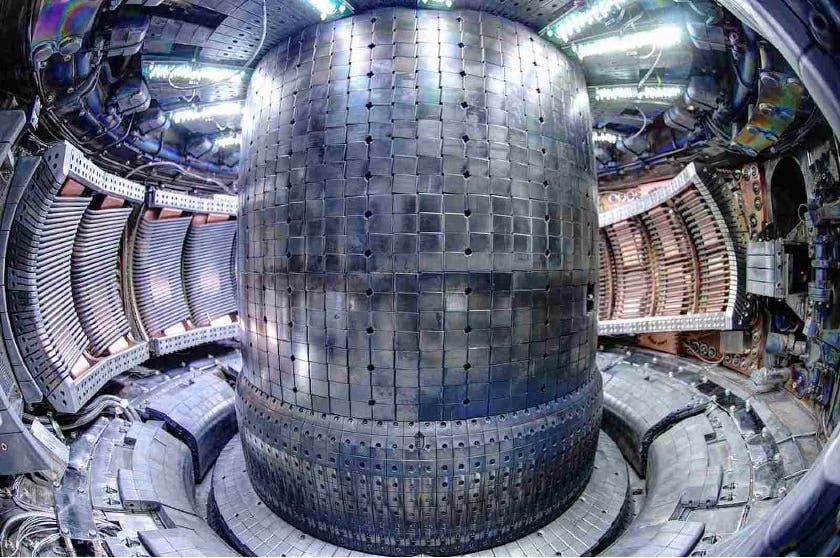
The EAST project sits between NIF and ITER in a different way: it has not achieved ignition, but it has made steady engineering progress by holding high-confinement plasma for 1,066 seconds and by pushing tokamak operation past a long-standing density limit, both of which are highly relevant to ITER’s eventual operating regime. So if success means proving long-duration reactor-relevant plasma behavior, EAST has made strong practical advances, even if it has not achieved Q > 1. One more objective measure of success is that EAST utilizes high-temperature superconductor (HTS) magnets, something that ITER has not incorporated (they did not exist when ITER was first envisioned). From a cost standpoint, EAST is believed to have cost between $900M and (slightly over) $1B.
What is ITER Expected to Deliver When Completed?
ITER is expected to deliver a set of reactor-relevant scientific and engineering results rather than immediate commercial electricity. Its core goal is to show that a tokamak can sustain a burning plasma, reaching about 500 MW of fusion power from 50 MW of heating power. ITER will also validate key physics such as confinement, stability, self-heating by alpha particles, and plasma control at the scale needed for a future power plant. On the engineering side, ITER is meant to prove that the huge machine can actually be built and operated as an integrated system: (low-temperature) superconducting magnets, cryogenics, remote handling, tritium fuel cycle, vacuum vessel, first wall, and divertor all working together under extreme heat and neutron loads. Just as important, it should generate the operational data that later fusion plants need, especially information on materials damage, component lifetime, maintenance strategy, and how to run long pulses safely and reliably, though these are data points that most of the commercial fusion systems under development can also deliver.
Given that, ITER’s unique value when completed will be far narrower and more conditional than its original pitch. Many commercial fusion systems will end up proving a number of capabilities that ITER was originally built to validate, including tritium fuel cycle, material damages, component lifetimes, maintenance strategies and working under extreme heat and neutron load. Moreover, the CFS ARC machine will produce 400MW of electricity versus ITER’s 50MW of heat power, an experience that is more valuable in the development of fusion as an electricity source. Additionally, both are tokamaks with CFS’s design being significantly more advanced than that of ITER, meaning that ITER will deliver less unique value than expected if it had not been late.

Conclusion: Is ITER Still Relevant (And Worth The Money)?
Even with major delays and roughly €5 billion in added cost, ITER integrates reactor-scale superconducting magnets, tritium handling, remote maintenance, and a burning-plasma environment in one machine, so its main value is as an engineering proof-of-integration rather than a near-term energy solution. That said, one ITER executive has described the scrapped “first plasma” milestone as largely symbolic, which suggests that the project’s unique scientific payoff now depends on whether the later, more complete configuration can actually deliver the fuller experimental program promised for 2039 and beyond. In a perverse sense, ITER then becomes an insurance policy which becomes more valuable as commercial project schedules slip, which is not necessarily a good situation for commercial fusion energy development.
From a financial standpoint, we will have to wait until commercial fusion machines actually go online and deliver (or do not deliver) what is expected of them. If the commercial reactors are unsuccessful or significantly late, ITER might be seen as a good insurance policy. However, if the commercial fusion systems deliver on time, ITER is more likely to be seen about the same way as California’s high-speed rail system is looked at: a waste of money plagued by budget overruns and extreme delays. As they say, time will tell…